Introduction
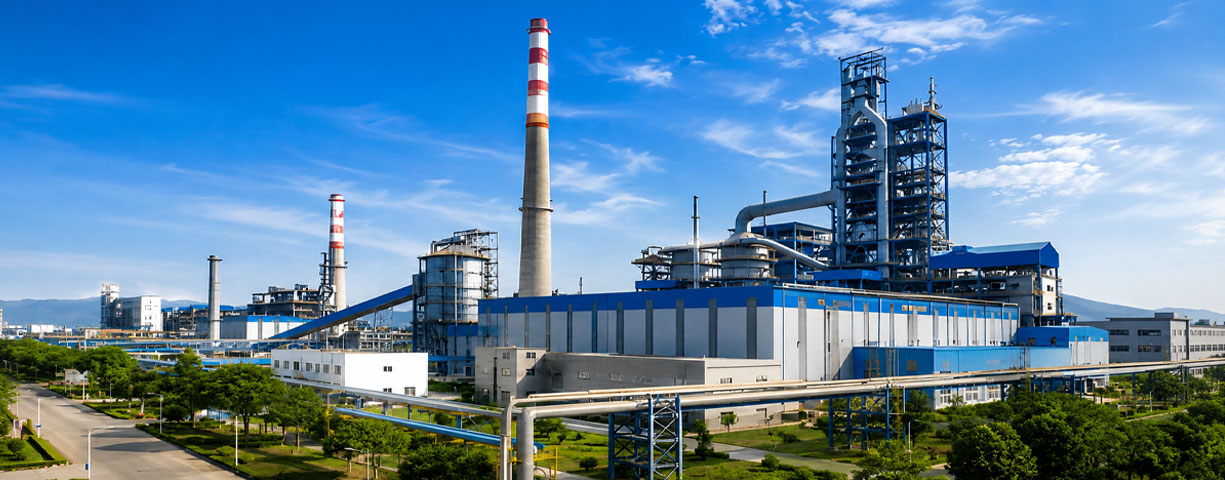
In today's competitive industrial environment, manufacturers are constantly looking for ways to improve productivity while reducing operational costs and energy consumption. Industries such as steel, cement, glass, foundry, power generation, and petrochemicals rely heavily on high-temperature equipment, where the quality of refractory materials directly impacts operational efficiency and equipment lifespan.
Modern refractory technology has evolved significantly over the past decade. Advanced materials, improved manufacturing techniques, and application-specific engineering now enable industries to achieve better thermal performance, reduced maintenance, and increased production reliability.
What Are Refractory Materials?
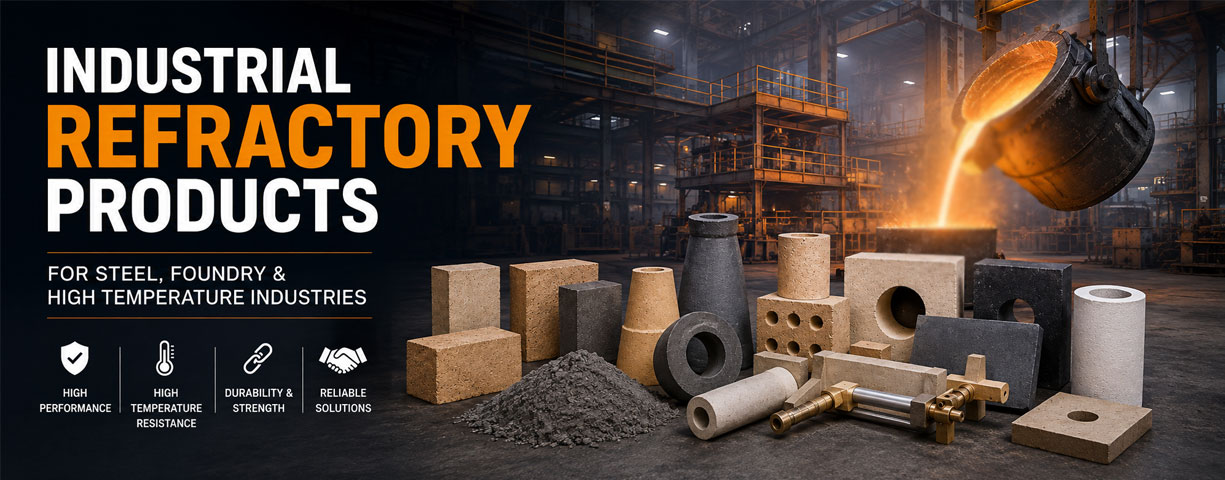
Refractory materials are specially engineered products designed to withstand extremely high temperatures, chemical attack, abrasion, and thermal shock. They form the protective lining of industrial furnaces, kilns, reactors, boilers, ladles, incinerators, and various thermal processing equipment.
Common refractory products include:
- High Alumina Bricks
- Fire Clay Bricks
- Castables
- Insulating Bricks
- Mortars
- Ramming Masses
- Gunning Mixes
- Ceramic Fibre Products
- Monolithic Refractories
Each product is developed for specific operating conditions to maximize performance and service life.
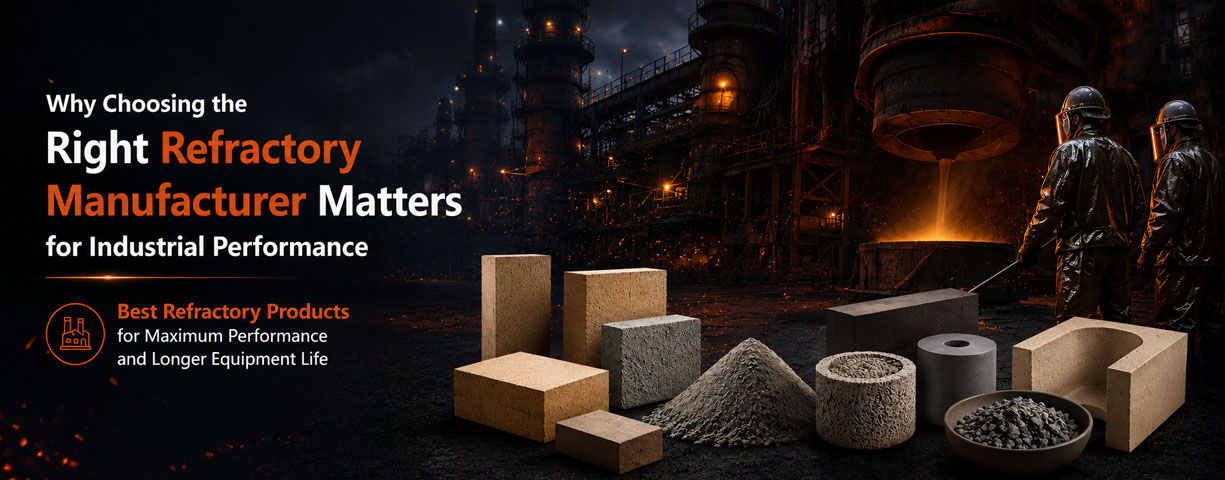
Why Selecting the Right Refractory Matters
Choosing the correct refractory solution is one of the most important decisions for any high-temperature operation. An unsuitable lining can lead to frequent breakdowns, heat loss, increased fuel consumption, and expensive production interruptions.
A properly selected refractory system offers several advantages:
- Improved thermal efficiency
- Longer furnace campaign life
- Better resistance to thermal shock
- Lower maintenance costs
- Reduced unplanned shutdowns
- Enhanced equipment safety
- Improved production consistency
Every industrial process has unique operating conditions, making technical evaluation essential before selecting refractory materials.
Factors That Influence Refractory Performance
Several operating parameters determine the performance of refractory linings:
Operating Temperature
Different refractory materials are designed for specific temperature ranges. Selecting materials beyond their operating limits can significantly reduce their lifespan.
Chemical Environment
Exposure to acidic, basic, or neutral slags and gases affects refractory durability. Material compatibility is essential to minimize chemical wear.
Mechanical Wear
Industrial processes involving moving materials, high impact, or continuous abrasion require highly durable refractory products.
Thermal Cycling
Frequent heating and cooling cycles create thermal stress. Materials with excellent thermal shock resistance perform better in these conditions.
Installation Quality
Even premium refractory products require proper installation and controlled drying procedures to achieve optimal performance.
Benefits of Modern Refractory Engineering
Today's refractory solutions extend beyond supplying materials. Engineering support throughout the project lifecycle ensures maximum operational efficiency.
Key benefits include:
- Customized refractory design
- Technical material selection
- Installation guidance
- Heat-up schedule recommendations
- Performance monitoring
- Maintenance planning
- Failure analysis
- Continuous technical support
This comprehensive approach helps industries maximize return on investment while reducing operational risks.
Supporting Sustainable Industrial Operations
Energy efficiency has become a major priority across industrial sectors. Modern refractory systems contribute significantly to sustainability by reducing energy losses and improving thermal insulation.
Well-designed refractory linings help industries:
- Lower fuel consumption
- Reduce greenhouse gas emissions
- Improve furnace efficiency
- Extend maintenance intervals
- Minimize material waste
- Improve overall plant productivity
These improvements support both operational excellence and environmental responsibility.
Industries That Depend on Refractory Solutions
High-quality refractory products play a vital role across numerous industries, including:
- Steel Manufacturing
- Cement Plants
- Foundries
- Glass Manufacturing
- Petrochemical Industry
- Power Plants
- Aluminium Industry
- Ceramics
- Lime Plants
- Incineration Systems
Each application demands specialized refractory solutions tailored to its specific operating environment.
Looking Ahead
Industrial technologies continue to evolve, and refractory engineering must evolve alongside them. Higher production capacities, stricter environmental regulations, and increasing energy costs require innovative solutions that combine durability, efficiency, and sustainability.
Organizations investing in modern refractory systems today position themselves for improved productivity, lower operating costs, and greater long-term reliability.
Conclusion
Refractory materials form the foundation of every high-temperature industrial process. Selecting the right products, combined with proper engineering and installation practices, significantly improves equipment performance, energy efficiency, and operational reliability.
By combining quality manufacturing, technical expertise, and customer-focused engineering support, companies can build refractory solutions that meet today's industrial challenges while preparing for the demands of tomorrow.